
🎯 The Big Picture
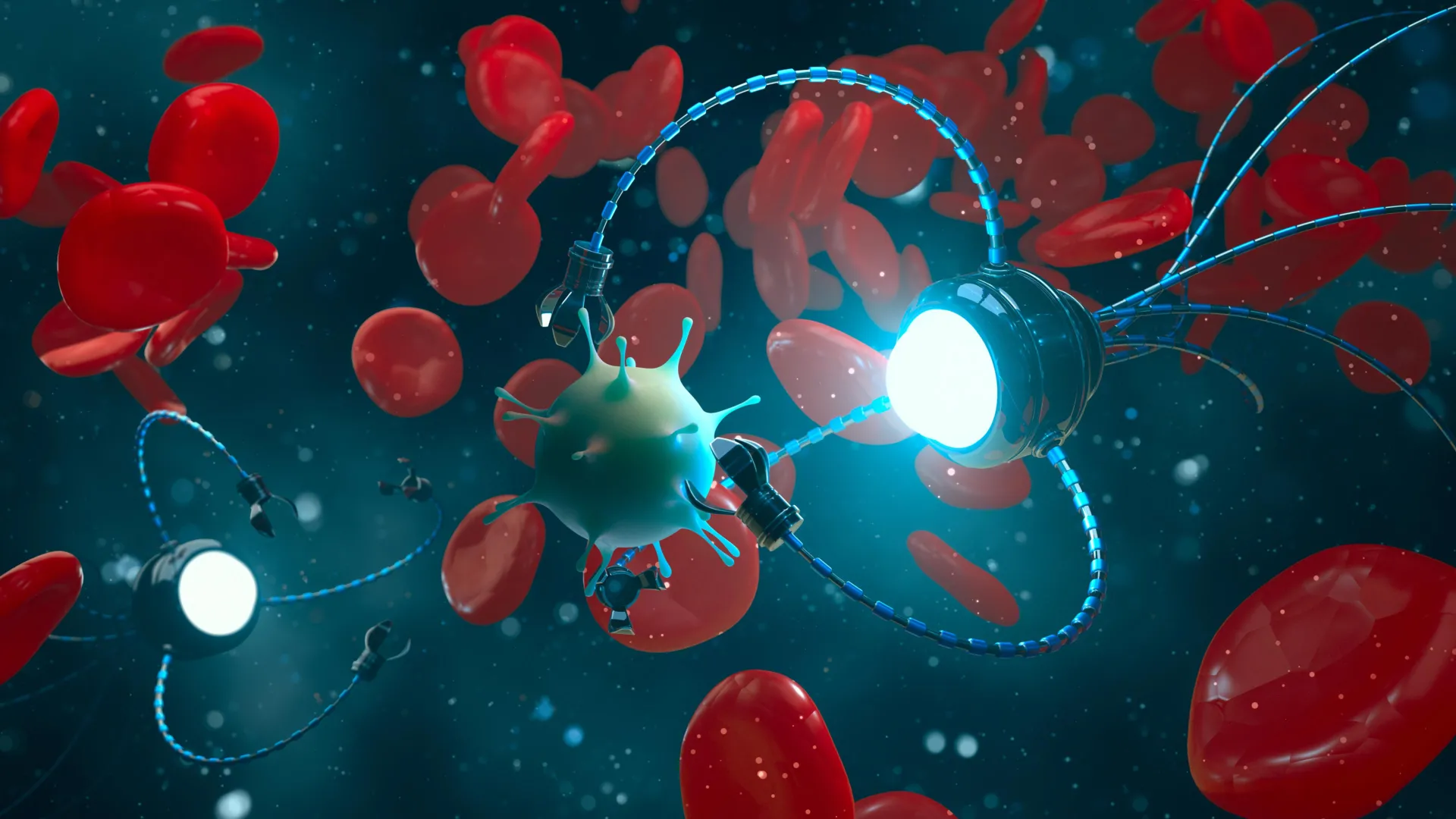
Imagine tiny robots made from DNA moving through the bloodstream, delivering drugs exactly where they are needed and targeting threats such as cancer cells or viruses. These microscopic machines could also assemble ultra-precise data storage systems and computing devices at the nanometer scale. Although the possibilities are remarkable, most DNA robots today remain in early experimental stages and are better understood as proof of concept rather than practical tools. Researchers are exploring ho
📖 What Happened
w DNA can be engineered into working machines using creative design approaches. These include building rigid DNA joints, incorporating flexible components, and using folding techniques inspired by origami. By applying principles from larger-scale robotics such as rigid, compliant and origami robots, scientists are adapting familiar mechanical concepts to the nanoscale. This allows DNA-based systems to carry out controlled and repeatable tasks despite their extremely small size. Guiding the motion of DNA robots in a constantly shifting molecular environment is a major challenge. To address this, scientists have developed control systems that help these machines behave in predictable ways. One important method involves DNA strand displacement, a biochemical process that enables precise progr
🎤 Highlights
• To address this, scientists have developed control systems that help these machines behave in predictable ways.
• Researchers still lack detailed databases describing the mechanical properties of DNA structures, and simulation tools f
• These include building rigid DNA joints, incorporating flexible components, and using folding techniques inspired by ori
• This allows DNA-based systems to carry out controlled and repeatable tasks despite their extremely small size.
💬 In Their Words
"t just be made of metal and plastic,"
"They will be biological, programmable, and intelligent. They will be the tools that allow us to finally master the molecular world."
🚀 Why It Matters
This development represents a significant moment in the AI landscape. As the technology continues to evolve rapidly, such advancements shape how organizations approach innovation, competitive strategy, and digital transformation. The implications extend beyond the immediate technical achievement to influence broader industry trends and market dynamics.
⚡ The Bottom Line
DNA robots could deliver drugs and hunt viruses inside your body — a notable development highlighting AI's continued momentum and growing impact across industries.
📰 Source: Science Daily AI 🔗