
🎯 The Big Picture
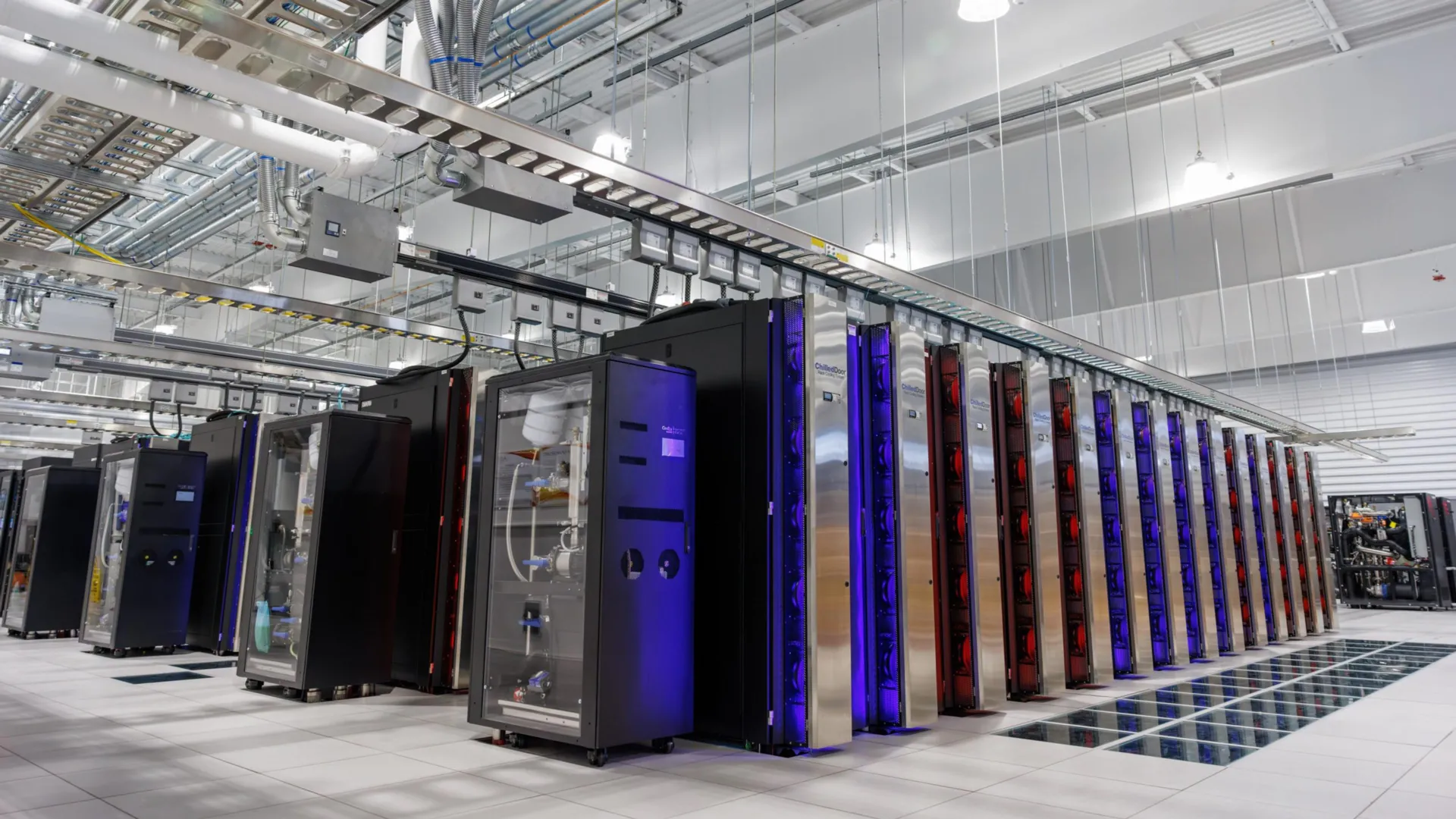
Artificial intelligence is consuming enormous amounts of electricity in the United States. According to the International Energy Agency, AI systems and data centers used about 415 terawatt hours of power in 2024. That accounts for more than 10% of the country's total electricity production, and demand is projected to double by 2030. This rapid growth has raised concerns about sustainability. In response, researchers at a School of Engineering have created a proof-of-concept AI system designed to
📖 What Happened
be far more efficient. Their approach could reduce energy use by up to 100 times while also improving performance on tasks. The research comes from the laboratory of Matthias Scheutz, Karol Family Applied Technology Professor. His team is developing neuro-symbolic AI, which combines traditional neural networks with symbolic reasoning. This method mirrors how people approach problems by breaking them into steps and categories. The work will be presented at the International Conference of Robotics and Automation in Vienna in May and will appear in the conference proceedings. Unlike familiar large language models (LLMs) such as ChatGPT and Gemini, the team focuses on AI systems used in robotics. These systems are known as visual-language-action (VLA) models. They extend LLM capabilities by i
💰 By the Numbers
| 📊 Metric | 💡 Context |
|---|---|
| 10% | Artificial intelligence is consuming enormous amounts of electricity in the Unit... |
| 95% | Artificial intelligence is consuming enormous amounts of electricity in the Unit... |
| 34% | Artificial intelligence is consuming enormous amounts of electricity in the Unit... |
| 78% | Artificial intelligence is consuming enormous amounts of electricity in the Unit... |
🎤 Highlights
• This rapid growth has raised concerns about sustainability.
• In response, researchers at a School of Engineering have created a proof-of-concept AI system designed to be far more ef
• The neuro-symbolic VLA achieved a 95% success rate, compared with just 34% for standard systems.
• In response, researchers at a School of Engineering have created a proof-of-concept AI system designed to be far more ef
💬 In Their Words
"Like an LLM, VLA models act on statistical results from large training sets of similar scenarios, but that can lead to errors,"
🚀 Why It Matters
This development represents a significant moment in the AI landscape. As the technology continues to evolve rapidly, such advancements shape how organizations approach innovation, competitive strategy, and digital transformation. The implications extend beyond the immediate technical achievement to influence broader industry trends and market dynamics.
⚡ The Bottom Line
AI breakthrough cuts energy use by 100x while boosting accuracy — a notable development highlighting AI's continued momentum and growing impact across industries.
📰 Source: Science Daily AI 🔗